Human-Condition - Category - behaviorengineering.ai

 Human-Condition

What it’s like to be human under all this.

Wiring, traits, empathy, and dysfunction, and how they play out in work, love, and power.

Human-Condition

鈩癸笍 Why is sociopathy still a taboo?

  • We still treat it like a movie villain, not wiring you can name out loud; families and kids navigate in the dark.
  • A kid swipes a candy bar for the jolt, not the sugar. Punishment turns up the heat; they steal again, bolder.
  • For some people the guilt loop never wires in; moral lectures just teach better masks.
  • What works: rules that hold (fast consequences, replacement outlets, explicit limits; watch the hands, not remorse).
Read the article
3 minutes
/human-condition/2026-06-16-deception-truth-bias-incentive-gaps/born-to-trust.jpg

Human-Condition 路 Social-Trust

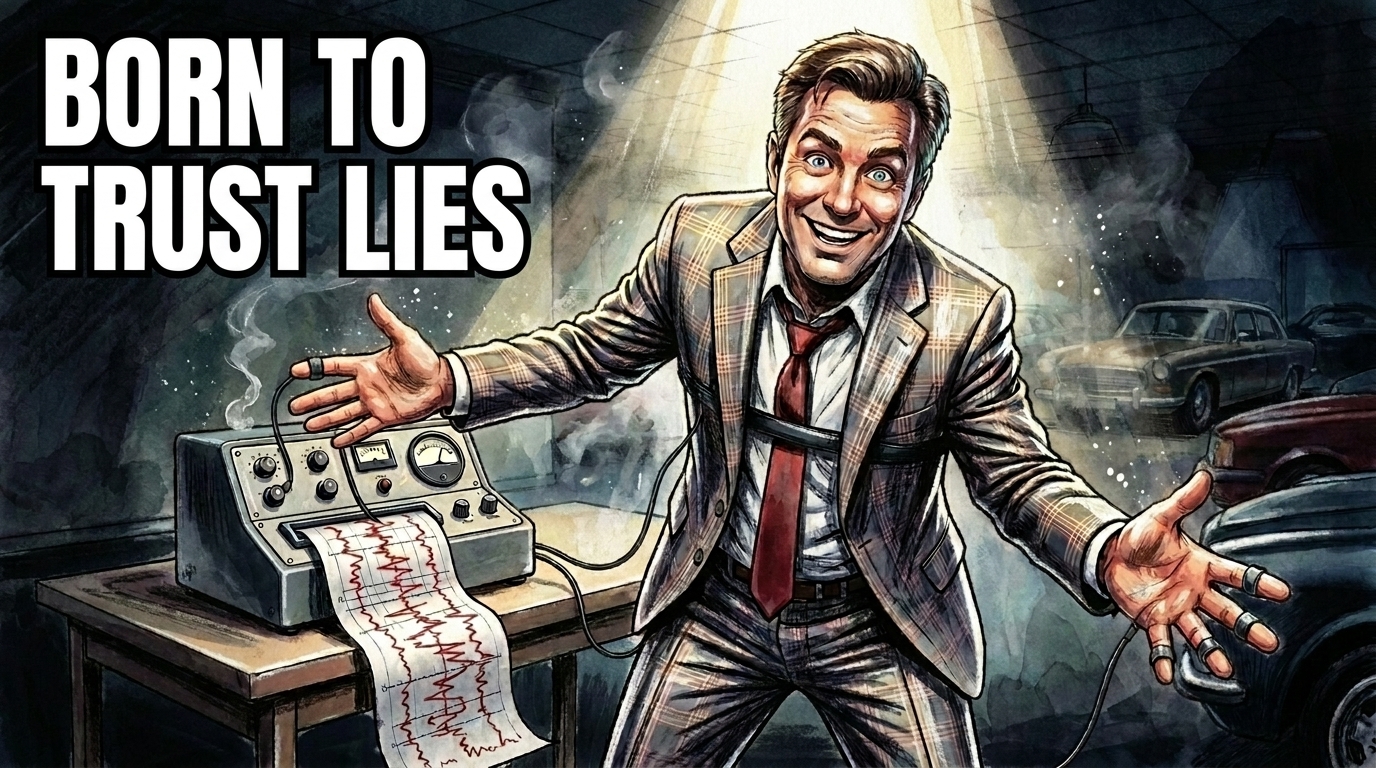
馃 You lie, but then, you trust

Deception shows up across species; humans are not special for lying. What does not add up is truth bias: you lie, yet you still default to believing the next story you hear. That gap scales from wiring in your brain to orgs and AI when lies pay and nobody checks. The fix is to treat truth bias like a wiring defect: fact-check by default, use AI and audits to make lies costly, and let the brain update only after checking becomes normal.
3 minutes
/human-condition/2026-05-28-why-humans-keep-building-pyramids/skull.jpg

Human-Condition 路 Mental-Processes

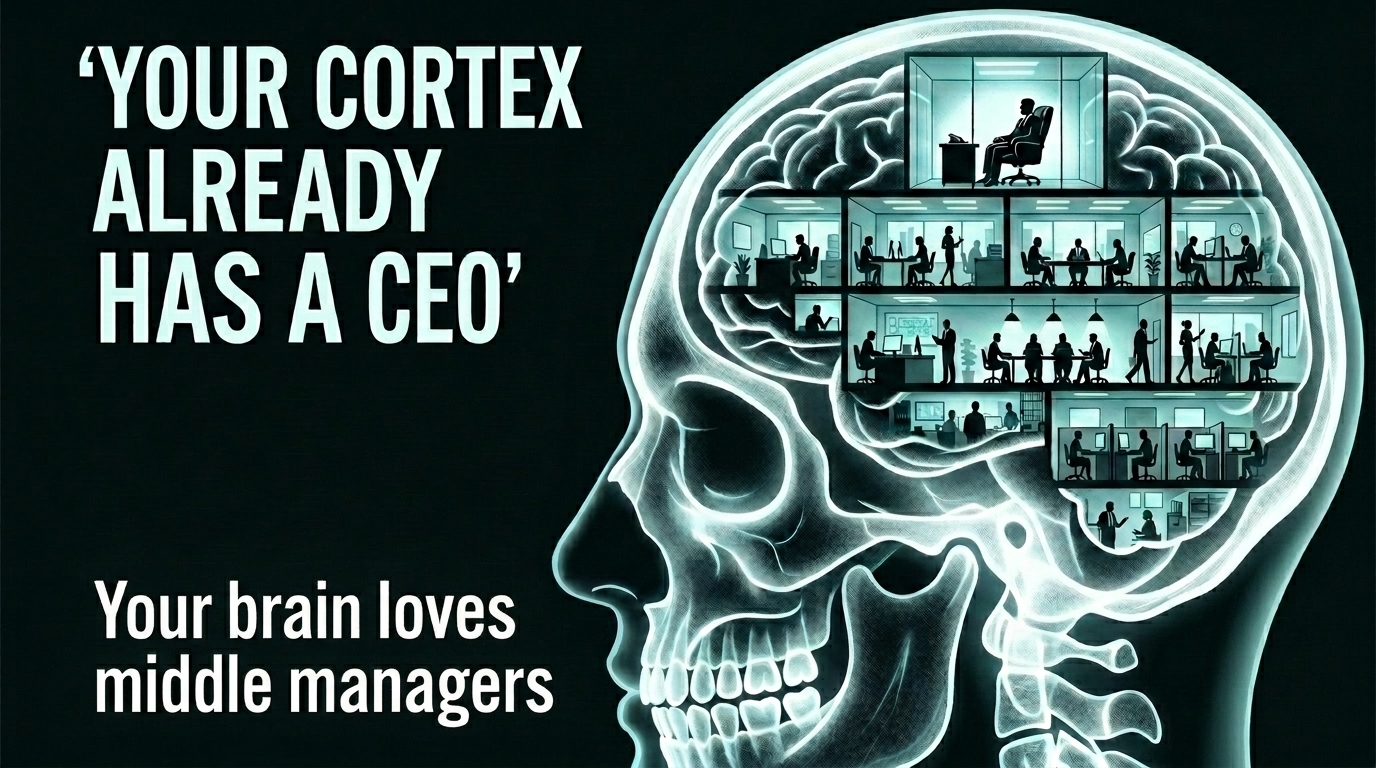
馃彚馃敽 Why does every group organize into a pyramid?

Brains compress the world into layers and rank, then route attention upward, so local noise gets summarized before it reaches a decision. That is why pyramid-like groups feel obvious: a few signals at the top, many roles below, a ladder everyone can read. Hierarchy is an attractor: groups keep sliding into a pyramid. Flatter systems need counter-design (written rules and shared maps), because the nervous system is already used to climbing.
3 minutes

Human-Condition 路 Mental-Processes

When the universe guru became one of us

  • Michio Kaku, in a Diary of a CEO interview, retells his sergeant’s Vietnam story: a boy offered candy, then threw a hand grenade; half the sergeant’s body was hit by shrapnel.
  • Kaku asks why a boy would do that and answers: because he believed the story he was given, enough to turn candy into a trap. His lesson: believe in the goodness of men and that men can do evil; fight for what you think is right.
  • He recalls singing “I want to kill a Charlie Kong” at 4 a.m. every morning, then asking himself whether he was on the right side or the wrong side of the war.
Read the article
2 minutes

Human-Condition 路 Bio-Evolution

What doesn't make you stronger, makes you weaker

  • Bajau (sea nomads) spleens are 50% larger than average, even in non-divers. Each dive, the spleen squeezes out oxygen-rich blood like a built-in tank.
  • Turkana (desert survivors) kidneys evolved for extreme protein and minimal water. When they move to cities and eat “healthy” food, they get sick.
  • Andeans in Argentina drink water with 20 times the safe arsenic level. A gene variant lets them detoxify the poison and stay healthy.
  • Myopia genes spread in 25 years, not thousands. Screens and indoor life changed our eyes faster than any plague.
Read the article
3 minutes