All Por-Estas-Calles - behaviorengineering.ai

All Por-Estas-Calles

How ideas spread and take over.

Memes, frames, and narratives that jump between minds and compete for attention and control.

TLDR

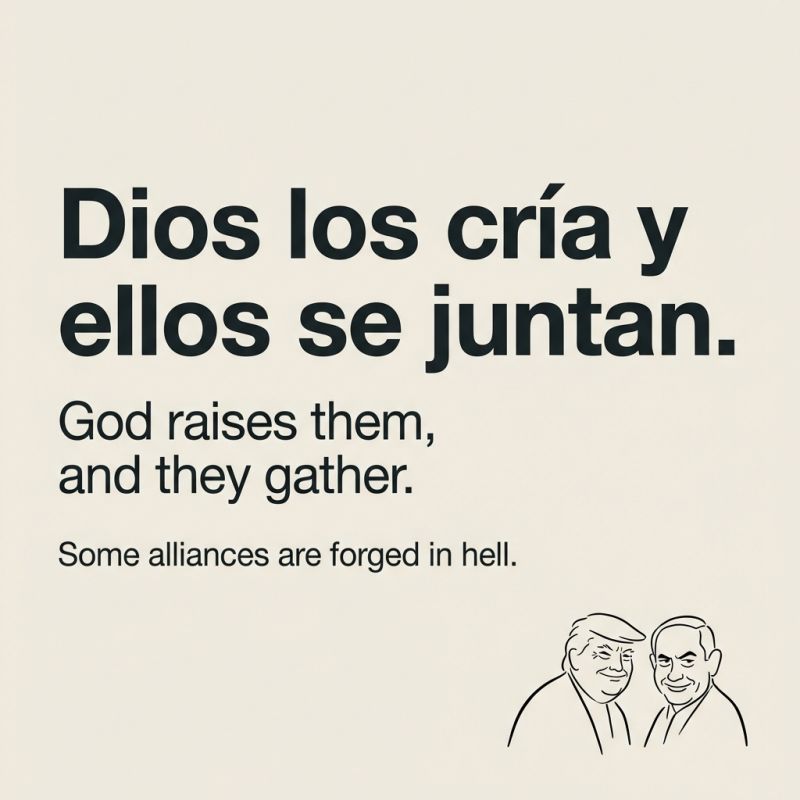
You’re dealing with people who are just alike, especially when they share bad habits. It’s like saying “Birds of a feather flock together,” but often with a wink and a nod when you see a group with similar, questionable traits.

Context

This saying often carries a critical or sarcastic tone. You’ll hear it when people notice a group sharing similar, often negative, traits or behaviours, implying a shared destiny due to their common nature. It’s a sharp observation of human behaviour.

TLDR

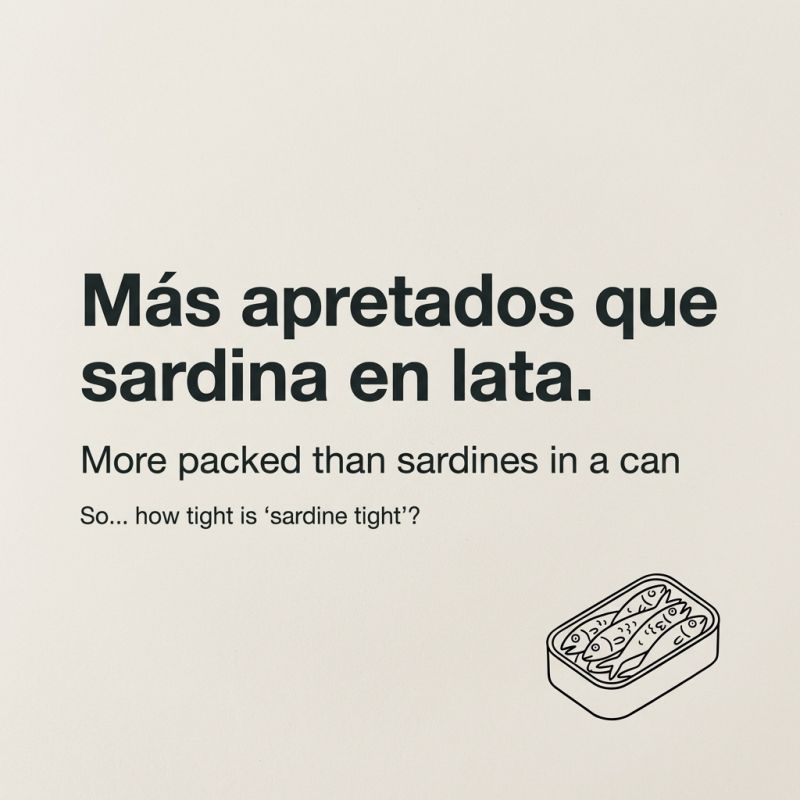
You’re packed in tighter than sardines in a can. This saying describes extreme overcrowding, where there’s barely any room to move. It’s the perfect way to describe a super crowded bus, a packed concert, or any situation where you’re squeezed shoulder-to-shoulder.

Context

This phrase is a go-to for describing any situation with intense density. Think of a crowded subway car during rush hour or a bustling marketplace. It captures that uncomfortable feeling of having absolutely no personal space. Venezuelans use it to humorously exaggerate how cramped things are.

TLDR

Don’t be a bootlicker. Seriously, quit sucking up. This Venezuelan saying tells you to stop excessively flattering people just to get ahead. Be real, not fake.

Context

This phrase is a direct admonition against sycophancy. You’d use it when someone’s being overly ingratiating, trying too hard to please a superior or someone in power. It’s a common way to call out insincere efforts to curry favor in everyday social and professional settings.

TLDR

When folks with the same vices, especially heavy drinkers, get together, you know what’s coming. This saying cleverly plays on rascarse, which means both to scratch and to get drunk. It’s a wry observation about mochos (amputees) metaphorically gathering to indulge their shared habits. You’re talking about the usual suspects making plans to tie one on.

Context

You’ll hear this when a group of friends, known for enabling each other’s less-than-ideal habits, decides to meet up. It’s a cynical, ironic observation about how people with similar flaws often gravitate together, reinforcing those behaviors instead of changing them. This isn’t about solving problems. It’s about indulging them.

TLDR

You’re about to witness an absolute disaster, a total circus, or experience pain so bad you’ll think you’re hallucinating. It’s when things go spectacularly wrong, or you’re in so much pain you lose your grip on reality.

Context

This saying pops up when things are truly chaotic or you’re in agony. Imagine a situation so bizarre and out of control, you’d expect to see the devil himself doing a wild dance. It’s that level of extreme chaos or pain.

TLDR

You’re so hungry you could eat the stuffing out of a teddy bear. In Venezuela, we say this when you’re starving, using the absurd image of a louse finding no food in a plush toy to show desperate hunger. It’s like when we say we’re so hungry we could eat a horse.

Context

This phrase pops up when you’re absolutely starving, often after a long day or missing meals. It’s a common, everyday expression in Venezuela, used with a touch of humor to emphasize just how empty your stomach feels.

TLDR

A tomato wheel is going to run you over? This Venezuelan saying playfully warns you that a minor, absurd mishap is about to happen, or that your sneaky attempt has been spotted. It’s the perfect way to call out someone for a small, ridiculous transgression or to acknowledge a silly, inconvenient problem.

Imagine getting caught trying to sneak an extra cookie, and someone says, “Watch out, a tomato wheel’s gonna get ya!” It’s a lighthearted “gotcha” for minor slip-ups.

Context

This Venezuelan saying humorously warns someone about an impending minor, absurd mishap. It also playfully tells someone they have been caught trying to get away with a subtle trick.

The imagery of a “tomato wheel” running someone over is inherently ridiculous, highlighting the minor and almost farcical nature of the problem or the slip-up.

TLDR

You’ve got it! “Ecolecúa,” which comes from Italian, signals that moment of “aha” or “bingo!” It’s how people in Venezuela say something’s finally understood, revealed, or perfectly completed.

Imagine shouting “Behold it!” with a playful wink after finishing a task or figuring something out. This expression captures that satisfying sense of triumph and sudden insight when everything clicks.

Context

This informal expression indicates completion, sudden understanding, or the revelation of something. People use it to present something, mark a task as finished, or express a playful sense of triumph or satisfaction, similar to saying “aha!” or “voila!”

The literal translation “Behold it!” hints at the act of presenting something completed or revealed, adding a theatrical flair to the moment of success or insight. The term itself originates from Italian.

TLDR

You’re not just energized. You’re completely on fire, like a witch’s cigar burning ritualistically hot. This Venezuelan saying paints a picture of someone who’s intensely hyped up, whether they’re just buzzing with excitement or a bit too drunk but still going strong. Think of it as being totally turned up, a fiery force you can’t get enough of.

Context

This informal Venezuelan saying describes someone extremely excited, energetic, or visibly intoxicated but still active. It humorously compares their intense state to a potent “witch’s cigar” used in rituals. The imagery evokes a powerful, almost mystical energy, suggesting a state of being that transcends ordinary excitement.

TLDR

Ever had so much on your plate that one more problem barely even moves the needle? That’s “¿Qué es una raya más para un tigre?”. When life has already covered you in stripes, one more doesn’t change who you are. It’s the tired little smile you give when something else goes wrong and you just think, “Of course. Add it to the list”.

Context

This is a Spanish saying used to dismiss an additional task or problem as insignificant, especially when one is already facing many challenges or is in a formidable position. The imagery of a tiger implies that adding one more stripe makes no notable difference to its nature or power.

It’s often used with a dismissive, almost playful tone when someone is already handling multiple responsibilities, reflecting a deep-seated resilience in the face of overwhelming circumstances.