All Por-Estas-Calles - behaviorengineering.ai

All Por-Estas-Calles

How ideas spread and take over.

Memes, frames, and narratives that jump between minds and compete for attention and control.

TLDR

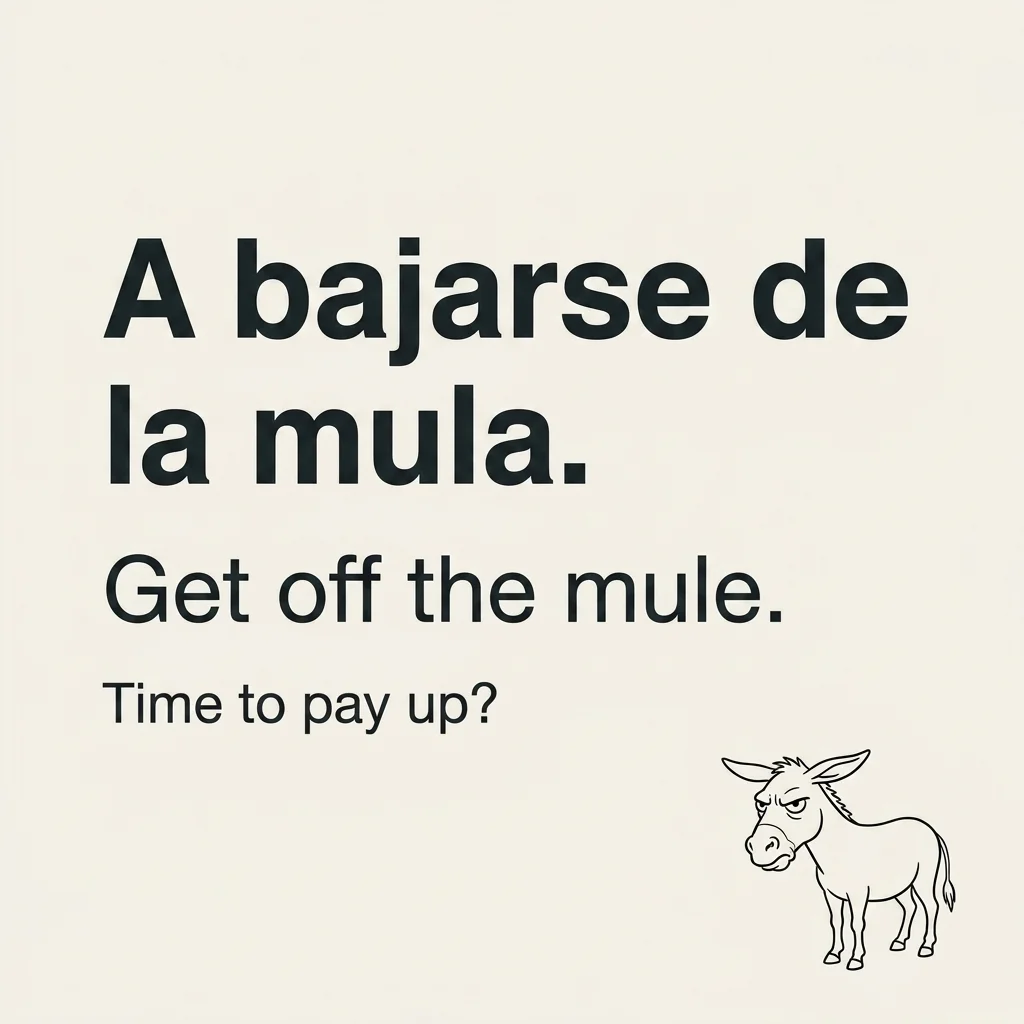
Stop resisting and pay what you owe. Mules dig in their heels. Getting off means finally yielding after losing a bet or conceding a challenge where you were proven wrong.

Context

You shout it out when someone bets against you and loses, a triumphant demand that leaves no room for debate. Stop the performance, and meet the obligation.
TLDR

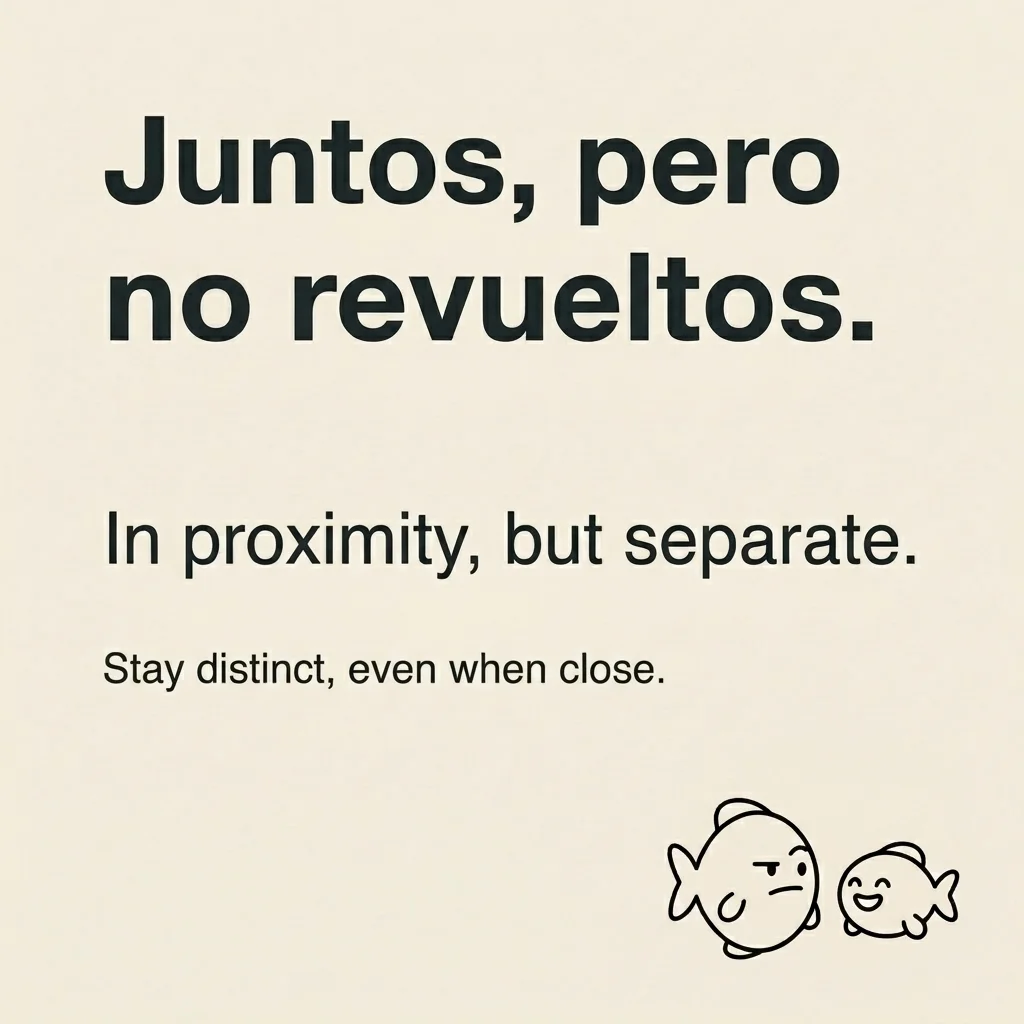
Sharing a space does not mean losing your edges. Think of a fish tank: the fish share the water, but they do not merge into one school. A blender, by contrast, melts everything into one soup. You use it when two crews share a party but stay in their huddle, or when tasks split clean so nobody quietly absorbs the whole load.

Context

It acts as warm, polite fence paint. You hear it from the host sorting seating, from siblings sharing a flat, or from a lead who wants clear lanes on a board. It names the wish for harmony with names still legible.

TLDR

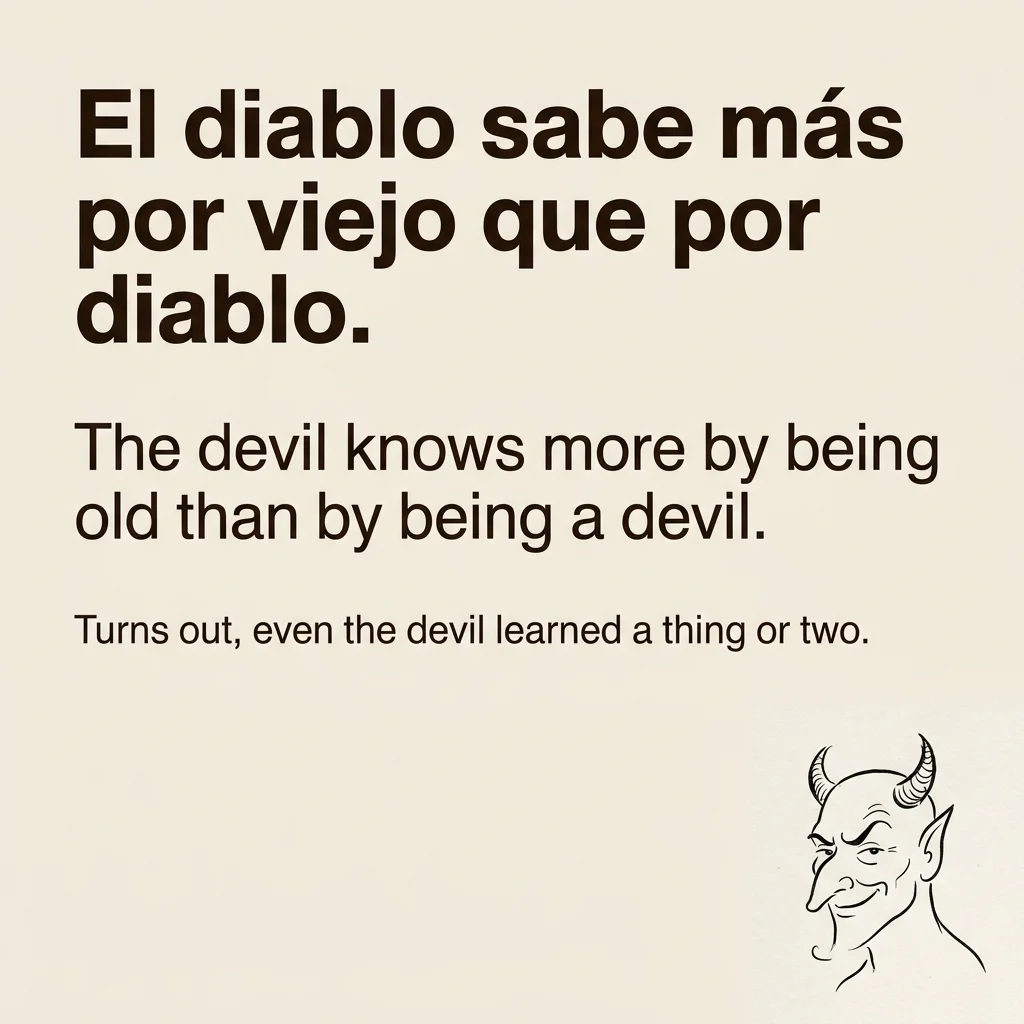
The devil claims intelligence for two reasons: his infamous name, and his long life. Ultimately, time on the clock outranks innate trickiness. You use it when an elder lands a truth a fast talker missed.

Context

It carries warm respect for people who earned their read on the world. You hear it after a grandparent cuts through a shortcut, or when someone admits the clever newcomer lost to tenure and pattern recognition.

TLDR

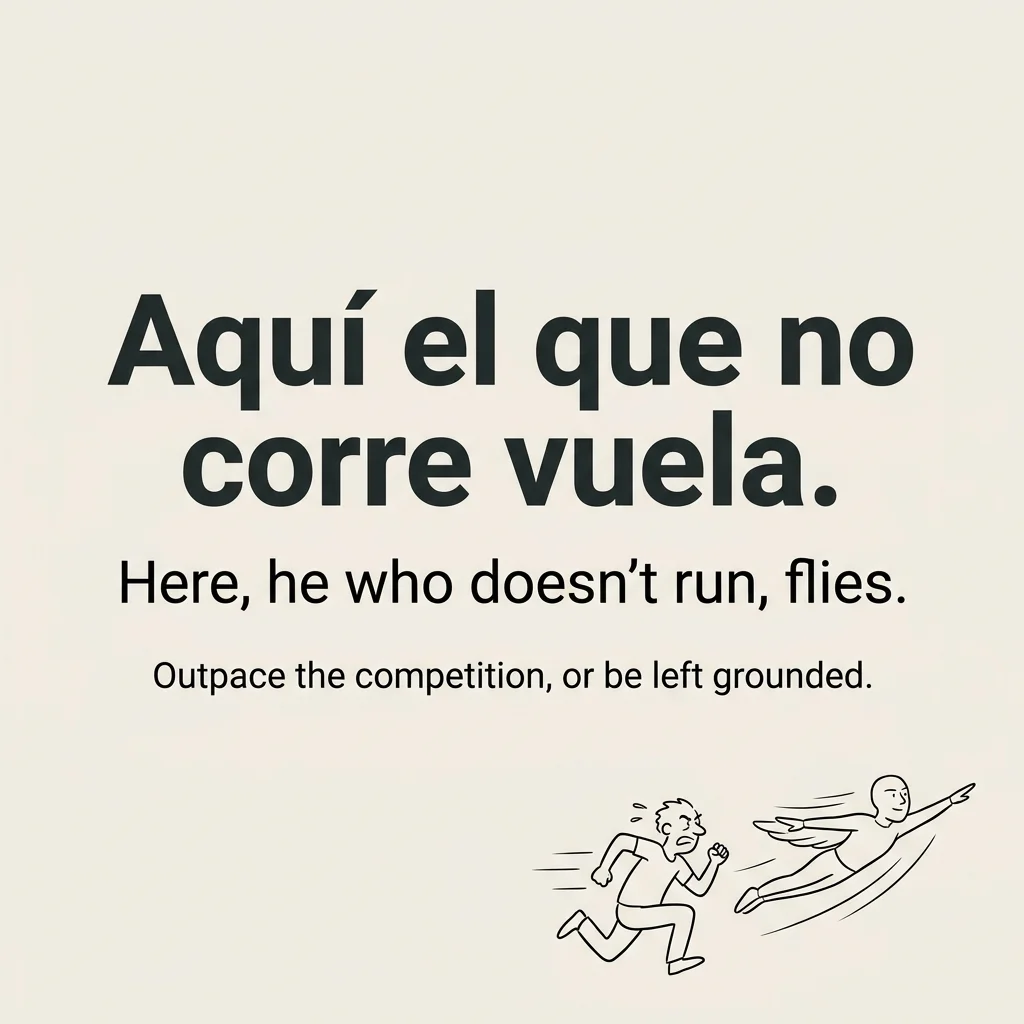
The saying springs a trap: running leaves you stuck; here you must fly or fall behind. It warns of fierce environments that demand extreme agility and ingenuity to catch what crosses your path. You get ahead of everyone, often by whatever means.

Context

It is the sigh of someone who finally understands how broken systems work in Venezuela. You use it when someone beat you to it: a bitter admission that the other person was faster or sharper. You use it as advice when someone hesitates and the offer vanishes. You hear it in shortage markets, in limited-time deals, when a mentor warns about a fierce environment. It serves to explain your loss, to alert a friend, and to criticize an environment where playing fair means being left behind.

TLDR

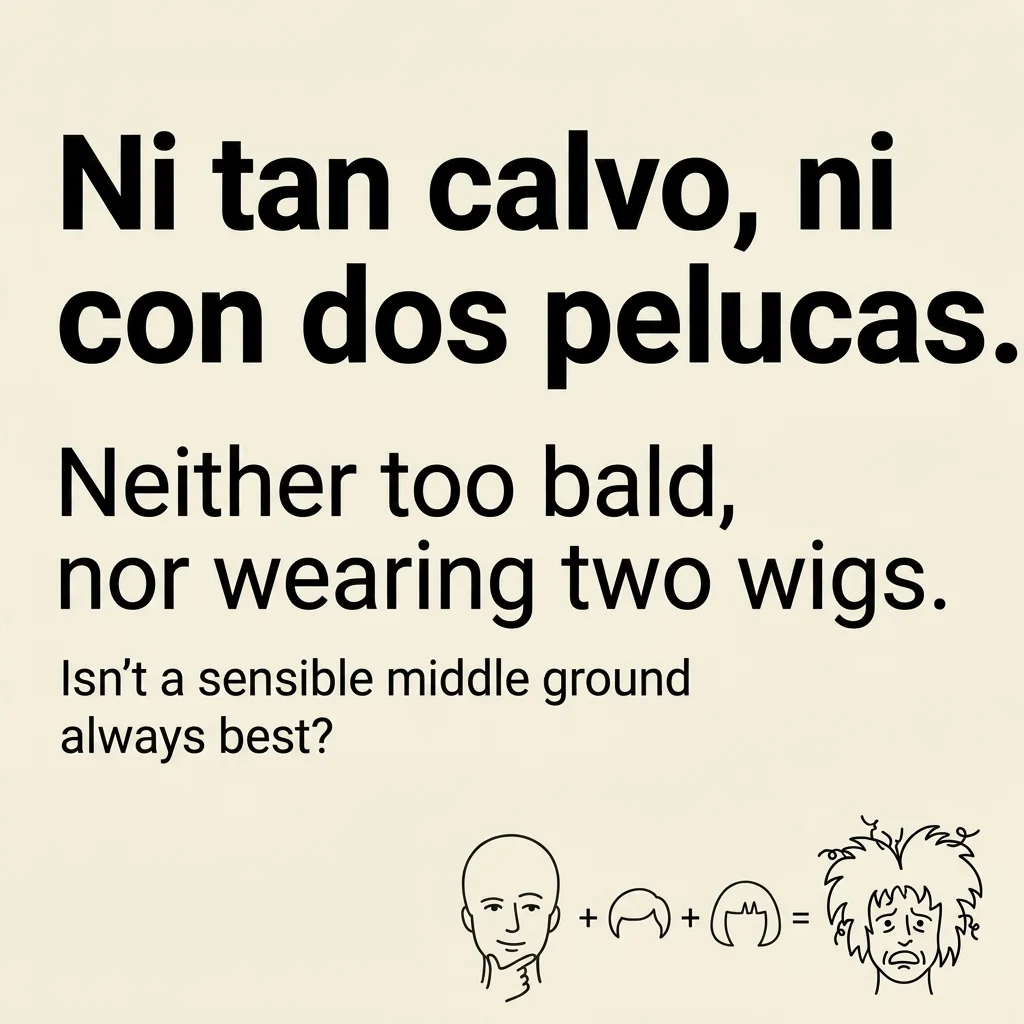
The saying snaps you out of extremes. Being bald is too little; wearing two wigs is absurd excess. Find the middle ground where you have enough without looking ridiculous. It is also the pushback you use when someone is trying to take advantage; a soft way of saying “do not treat me like a fool.”

Context

It is the nudge you give a friend oscillating between deprivation and overkill. You hear it at the dessert table, at the store, or when someone shows off too hard. But flip it around; it becomes a shield when someone tries to dump an unfair task on you. You draw a hard line without starting a fight.

TLDR

This Venezuelan saying plays on the word agarrado, meaning both tight-fisted and held on tightly. Imagine an old woman clinging to a motorcycle for dear life; that is how some people cling to their money. You use it to call someone a real penny-pincher, especially when they are comically reluctant to spend or share. It is a playful tease among friends.

Context

This is a humorous social commentary on generosity. It quietly reinforces values around sharing and reciprocity in Venezuelan society. You will hear it among friends or family, teasing someone who always forgets their wallet or hesitates to chip in for a group meal.

TLDR

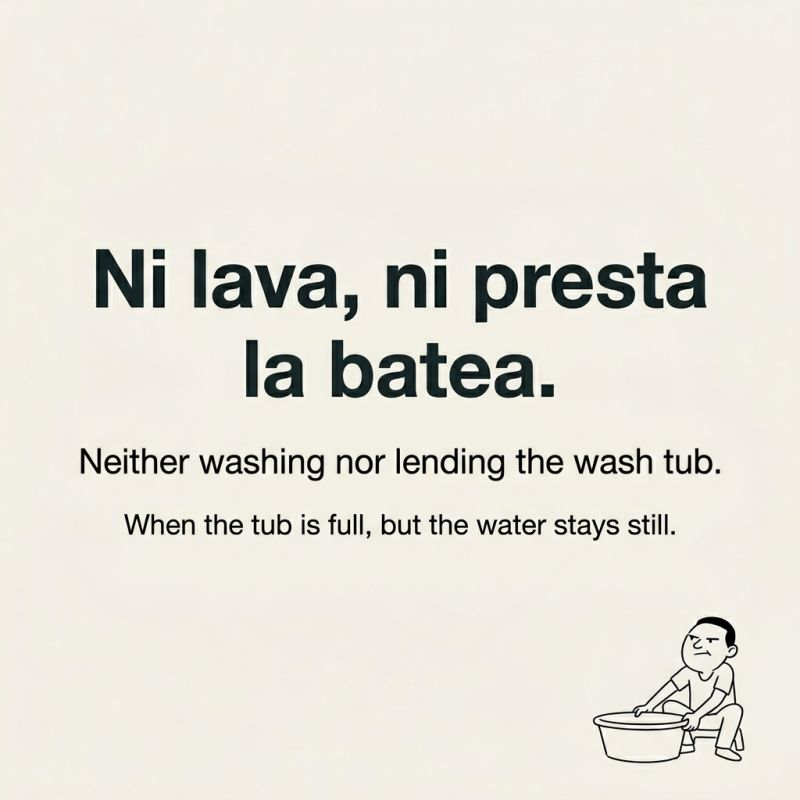
You know that person who won’t do their own laundry, then hides the wash tub so you can’t do yours? This saying is for them. They refuse to lift a finger, then hoard the tools so nobody else can finish the work either. You use it when someone is both lazy and obstructive. Closest English kin: a dog in the manger.

Context

It is the exasperated sigh when someone will not help and still blocks the rest of you. You hear it about a colleague who keeps the shared gear in their drawer, or a family member who hides the cleaning supplies until the chore becomes someone else’s problem.

TLDR

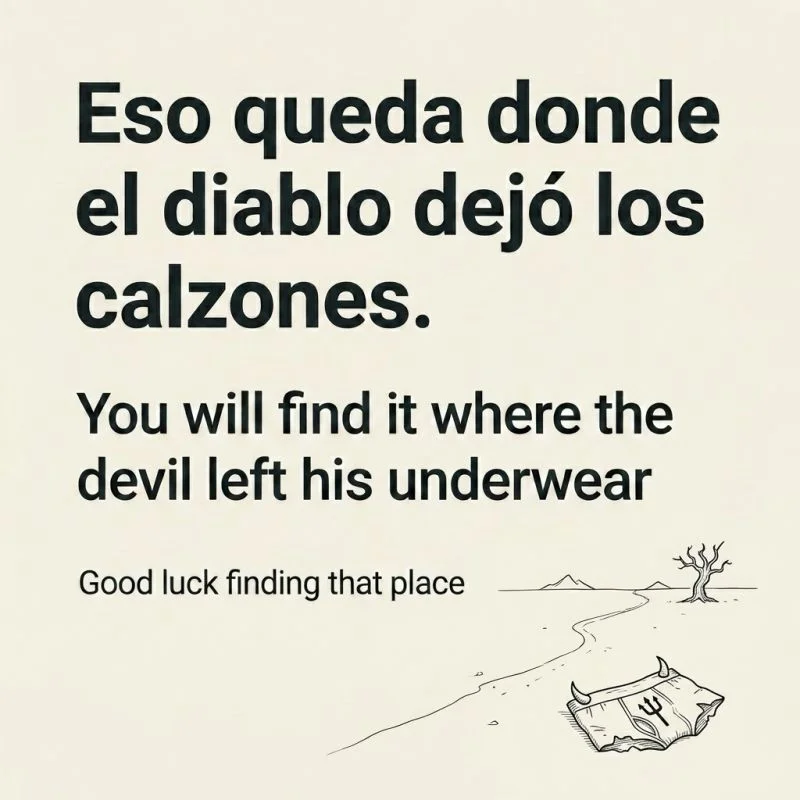
Even the devil finds some places too remote. When a spot is deep in the middle of nowhere, you invoke the image of a supernatural figure abandoning his underwear just to escape it. You use it to call out a location that is completely off the map.

Context

The street humor shrinks the devil from pure evil into a frustrated traveler. You hear it when someone complains about a commute to a remote farm or a new job far from town. It turns the annoyance of a brutal drive into a shared joke.

TLDR

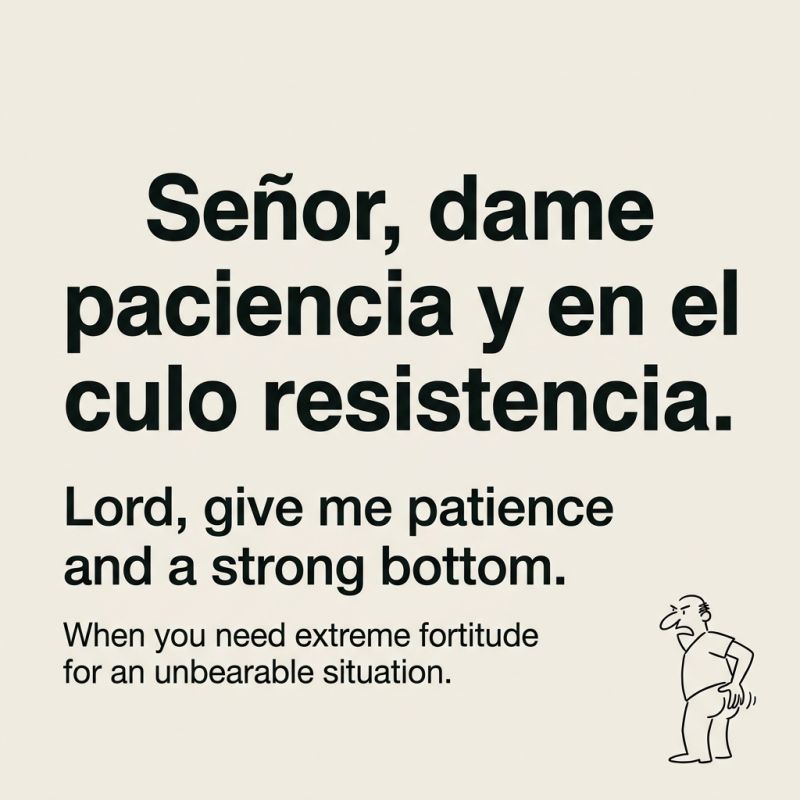
You need superhuman patience and the grit to tough out something truly awful. This saying hilariously pairs a plea for mental patience with a crude request for “resistance” in your backside. It’s a dark, exasperated joke for when you’re dealing with endless bureaucracy or an incredibly annoying person. You say it with a wry smile, acknowledging how much fortitude you need.

Context

This phrase highlights a Venezuelan way of coping: using dark humor and crude language to face adversity. It’s not an angry outburst. Instead, people use it among close friends with sarcastic, resigned frustration, often with a knowing smile. Think of it as a shared sigh of “here we go again.”

TLDR

Someone’s got a quirky obsession, and you just shrug and let them be. This saying literally means “Each madman with his own theme,” using the image of a “madman” to highlight how unusual or intense someone’s singular focus can seem. It’s a lighthearted way to say “To each their own,” accepting their unique interests without judgment.

Context

This phrase shows how Venezuelan culture accepts individuality and eccentricity. People use it lightheartedly when someone is engrossed in a peculiar hobby or to humorously justify their own unusual pursuits. It acknowledges unique habits without judgment, often with a mild, resigned tone.