All Sm(art) - behaviorengineering.ai

All Sm(art)

How ideas spread and take over.

Memes, frames, and narratives that jump between minds and compete for attention and control.

TLDR

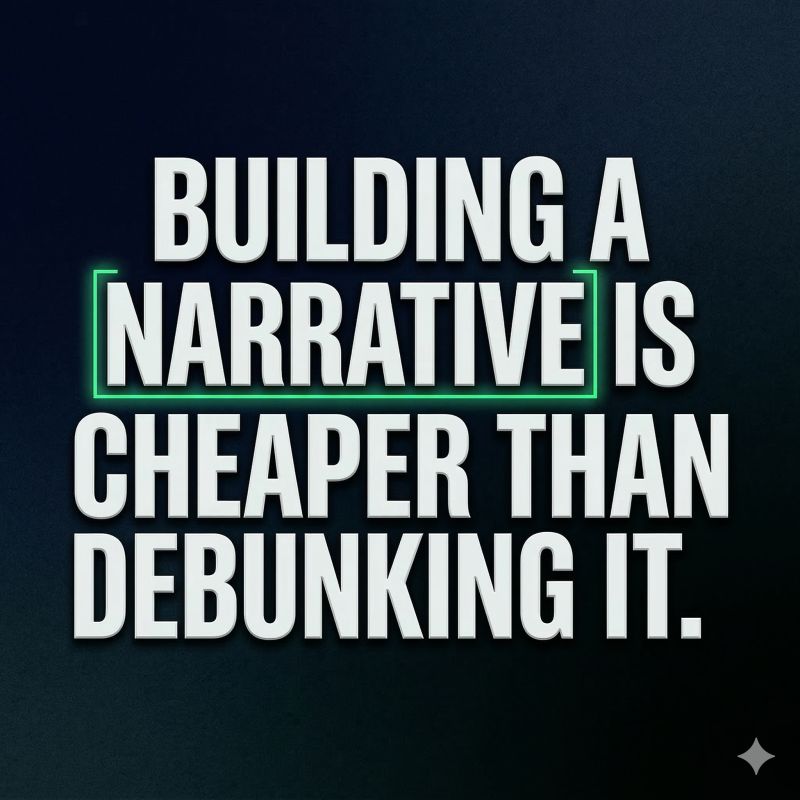
We keep hearing that immigrants are “destroying culture,” that things have changed because the street sounds different. That story only lands where culture is already thin.

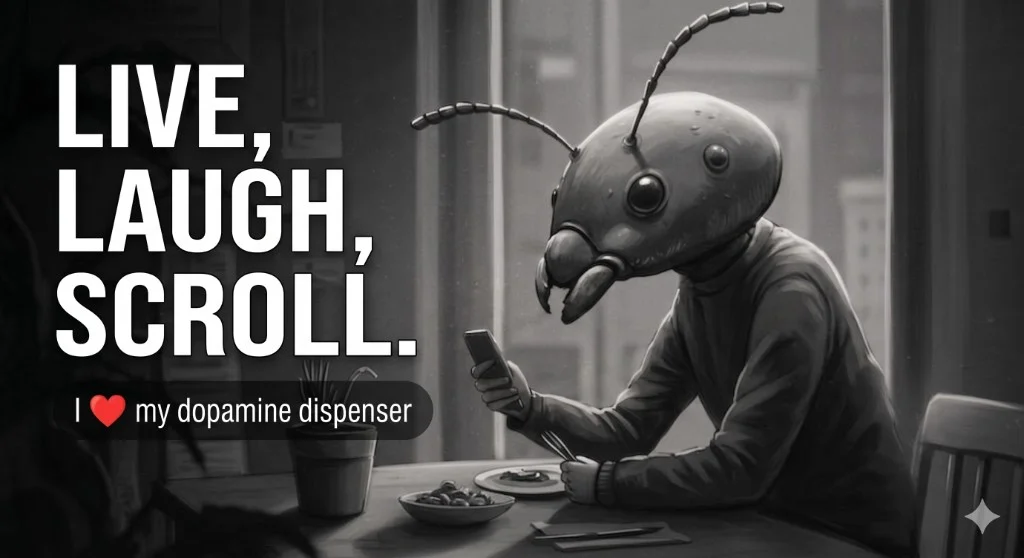
At some point, it starts to look less like a culture and more like an ant colony. The feed plays queen; your pocket drops the pheromones. Millions of people react to the same cues, follow invisible trails, consume the same inputs, and think it’s their own idea.

So while people argue about outsiders, something quieter happens. Culture thins out.

Context

Look at Venezuela during its boom years. It absorbed waves of immigrants from Europe, the Middle East, and across Latin America. People didn’t erase the culture. They adapted to it. A strong culture pulls others in.

In many industrialized societies today, culture doesn’t grow from daily life. It gets streamed into people’s heads. Movies, media, and now algorithmic feeds repeat the same patterns until they feel natural.

The industrial education system did this at scale. Same schedules, same lessons, same mental tracks. It trained people to move together and think in sync.

Now that system runs in your pocket, all day long.
TLDR

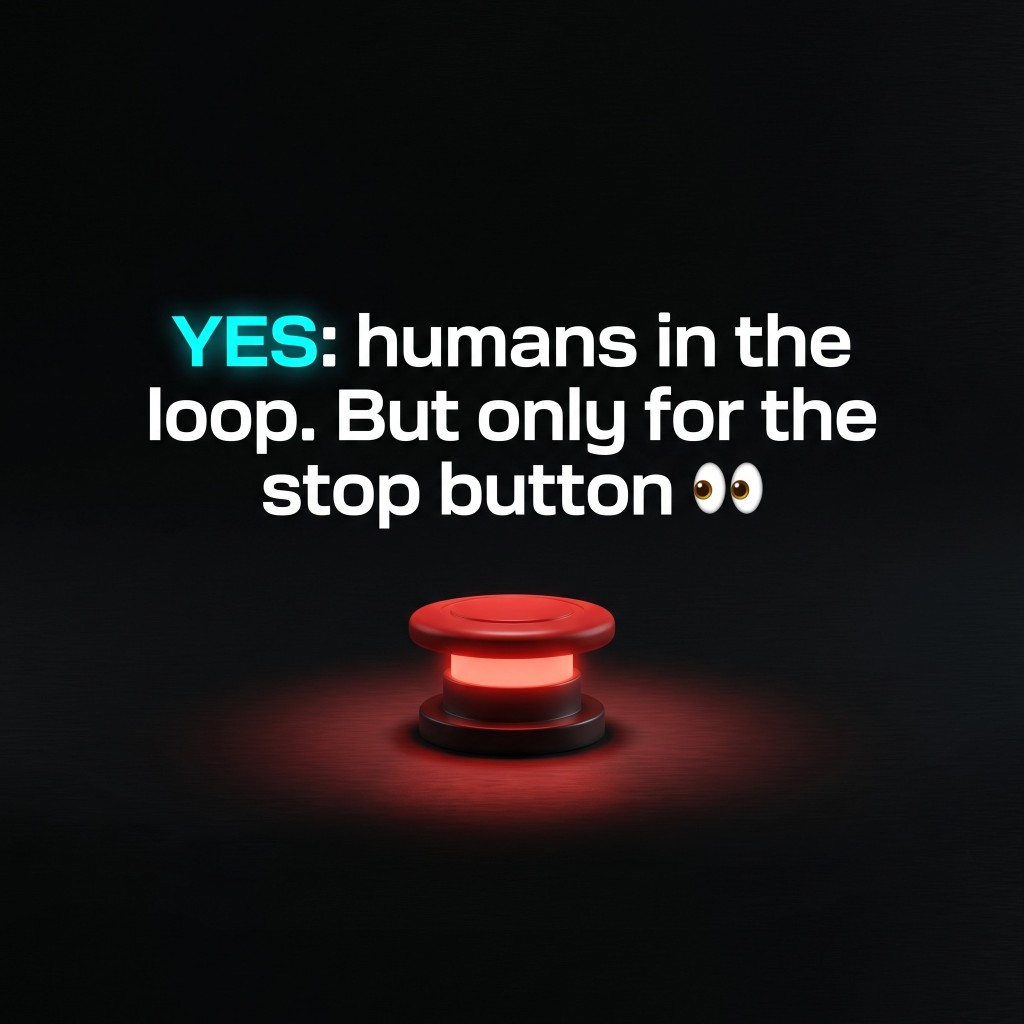
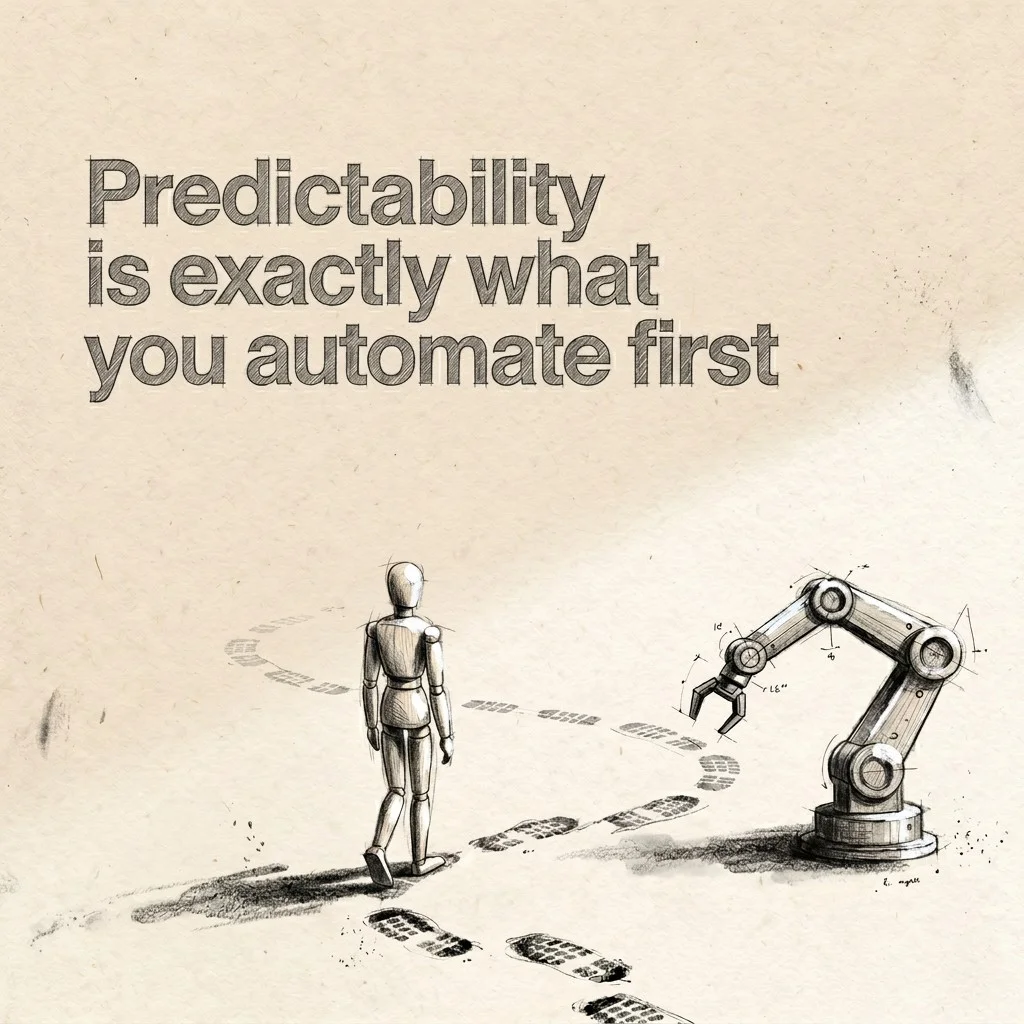
If your day repeats step for step, most of it can be automated. The job is a closed chain (same steps, same outputs), not your identity. Don’t defend the routine from automation; automate it, and defend your attention for what only you can do.

Context

The Industrial Revolution trained you to be reliable machinery. The next revolution is yours: teach the machinery to run without you so you can leave the factory running and come back to your nature.

TLDR

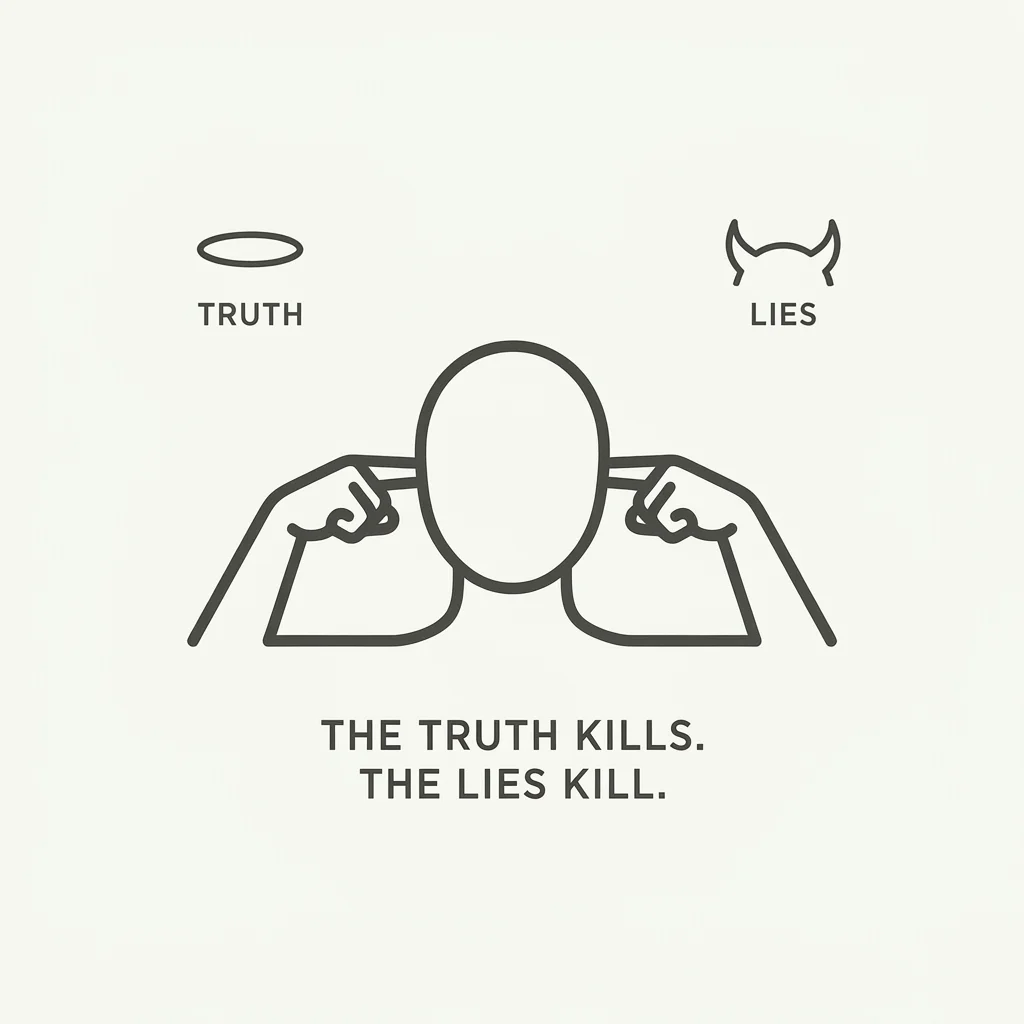
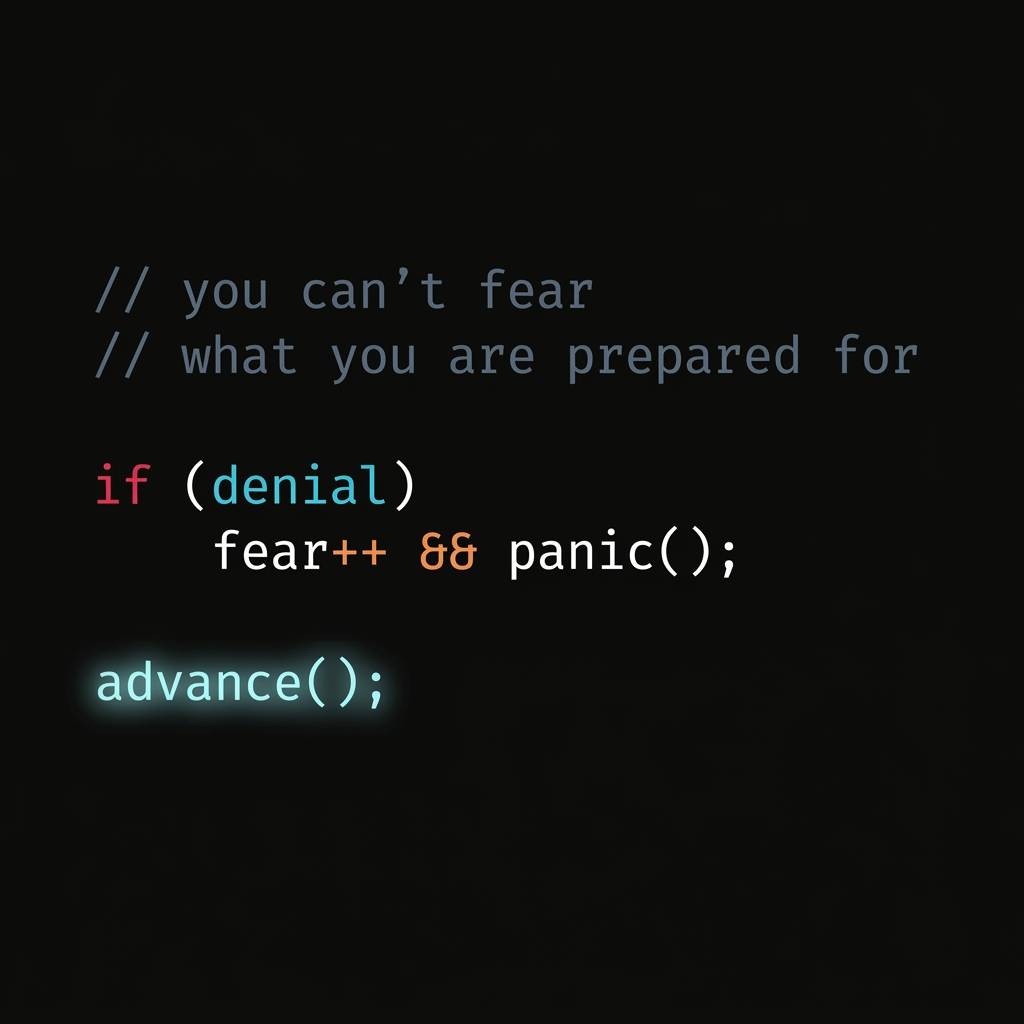
You’re not fixing one bad feed. Reality clashes with your map and pokes your identity at the same time. Both feel like a threat before they feel like information.

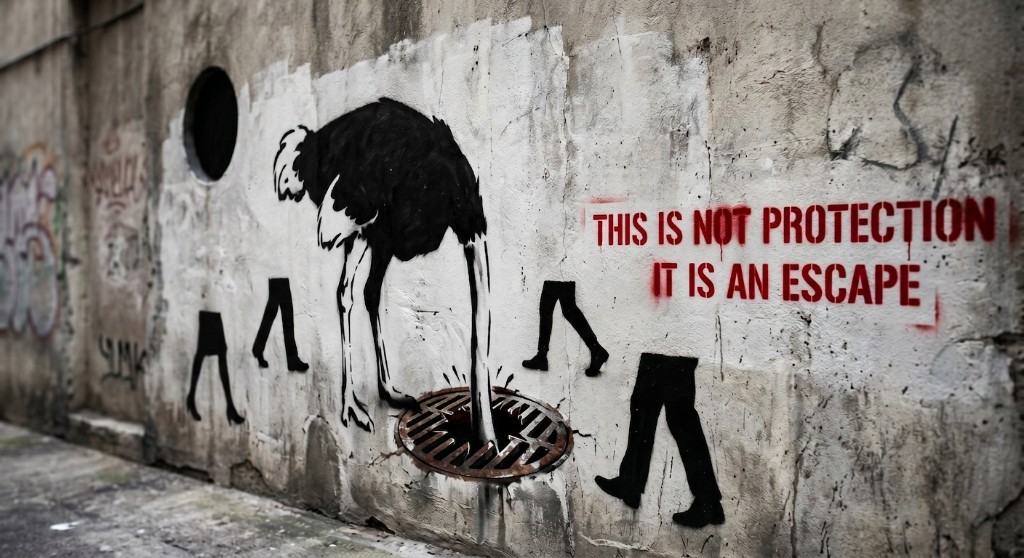
Your nervous system defends the map you run and the group you’re in. Discomfort hits fast, naming it comes later. That’s why dropping the signal feels safer than sorting it. What happens to the brain during cognitive dissonance?

Context

When reality clashes with what you expect, you feel pressure to close the gap. You usually twist the story before you change your model. Your brain is trying to quiet the error signal. PMID 30524333

When your identity gets poked, you push back to calm the stress, not just to be right. The art leans on both without asking you to swallow the papers.