🔥🎯 When stakes run high, choice stops feeling free
Claim
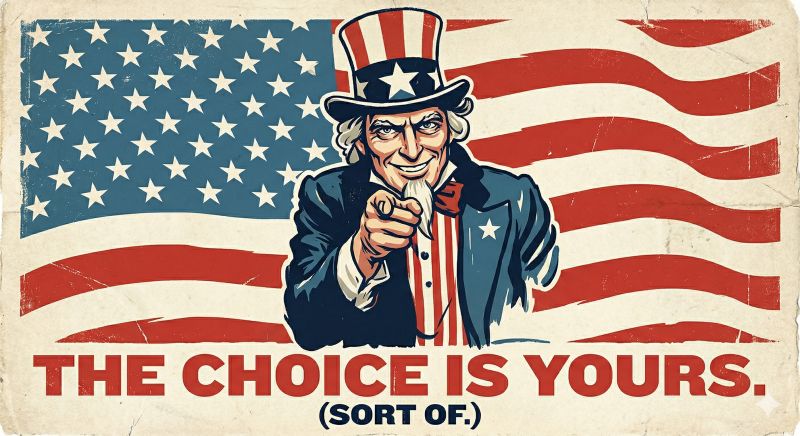
We say we love choice, but past a point it turns on us. When stakes rise, we stop chasing the best choice and start chasing relief from anxiety.Thoughts
Outsourced decisions, owned story
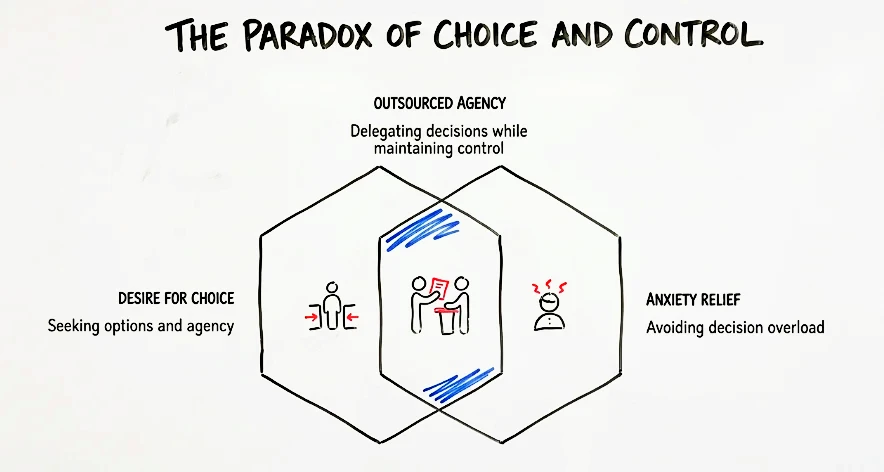
People want options, but they let defaults or trusted others decide, as long as it still feels like their choice. The menu keeps growing (plans, products, feeds that never quit), so you hand the call to defaults or experts and protect one story: “I am still in control.” Law and politics build for this. We vote, then specialists and institutions decide. We keep the story of agency. They carry the work and the blame.
When the brakes come off
Psychopathic traits hack this setup. Low fear, low guilt, and weak regret remove the brakes that freeze most people. Acting in complex, high-stakes situations feels easy. Picture the crisis call where everyone else freezes; they move.
In systems built on delegation and avoidance, that looks like an edge, and it makes power fragile and harmful, because the same numbness that kills anxiety also kills feedback, empathy, and correction.
Notice when you are handing the choice off. That part is still yours.